

Entrance signage that sets the standard from day one
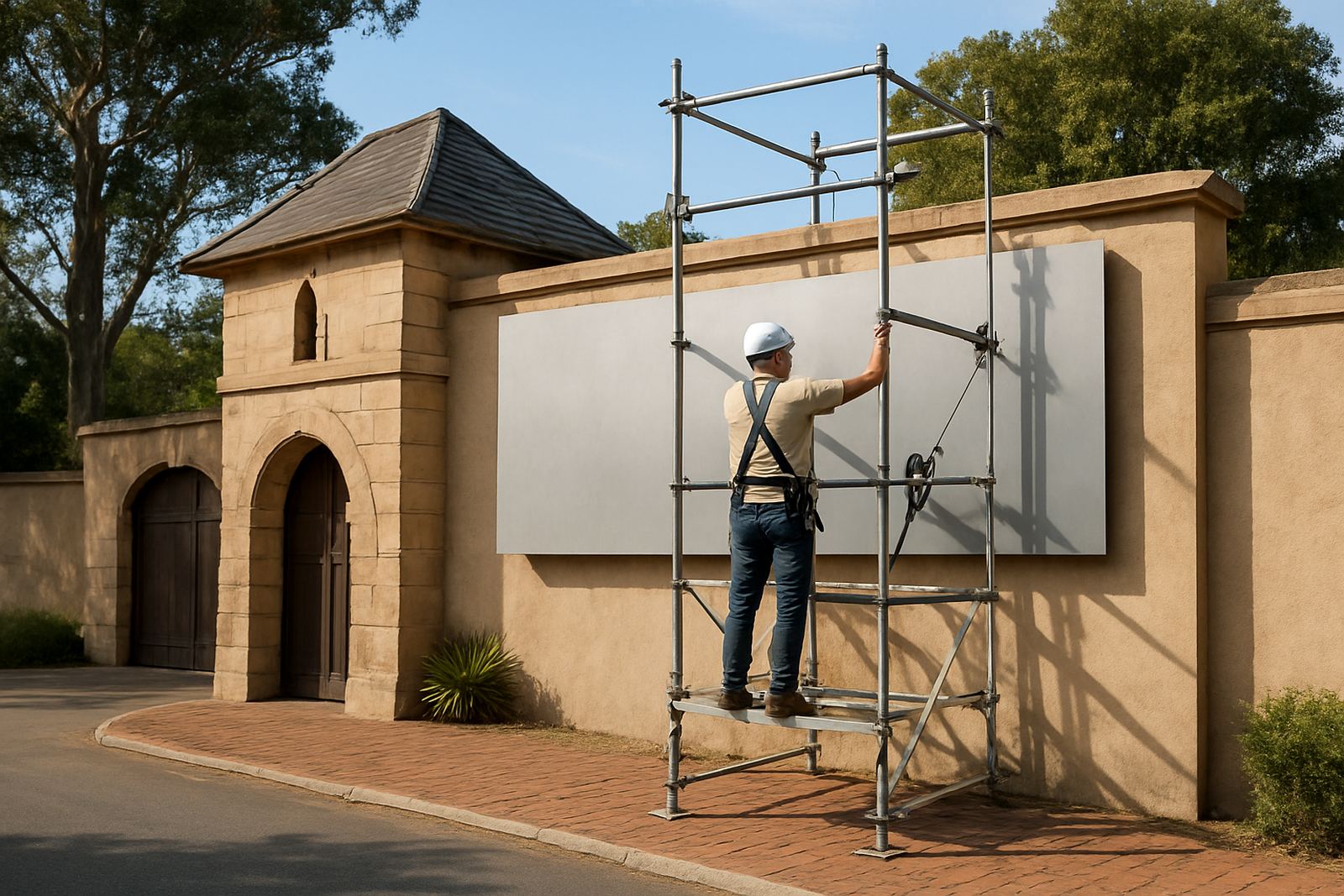
For residential estates, the first sign is often the one drivers see at the gate, so the install has to be straight, clean and legal. We assist sign makers with entrance pylons, wall signs, gate markers, directional blades and internal estate naming so the finished job matches the plan on the drawing and the site on the day.
In Paarden Eiland, Johannesburg CBD, Sandton and other busy nodes, access windows are often short and security teams want work done before peak traffic. We plan around gate operating hours, delivery routes and any body corporate rules that affect after-hours work. On coastal sites like Somerset West and Paarl, we also allow for salt air, wind exposure and fixings that need extra protection against corrosion.
- Entrance pylons and monument signs
- Gatehouse branding and address panels
- Estate wayfinding and directional signs
- Internal block, unit and street markers
- Temporary signs during phased handover
What sign shops usually need us to bring to site
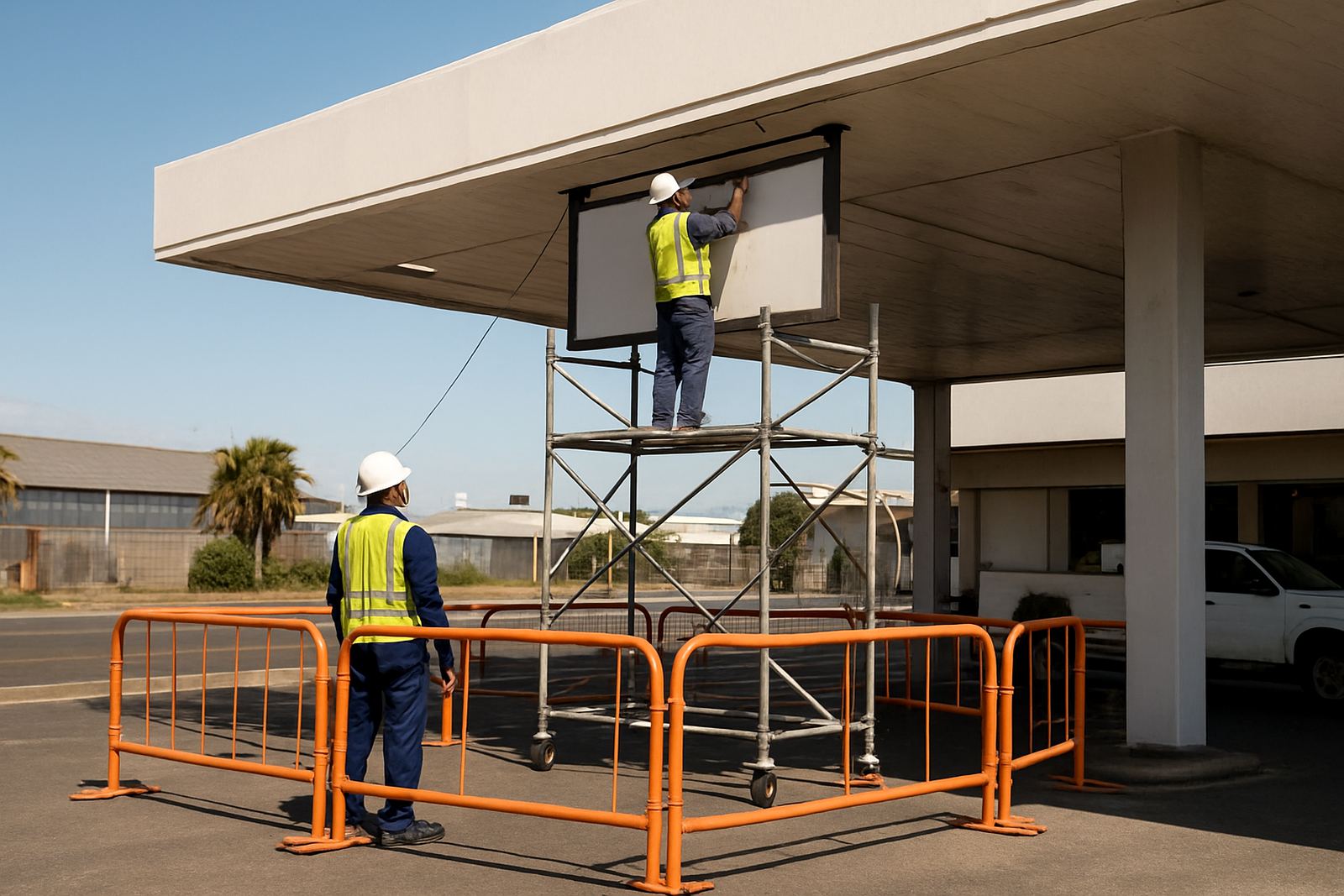
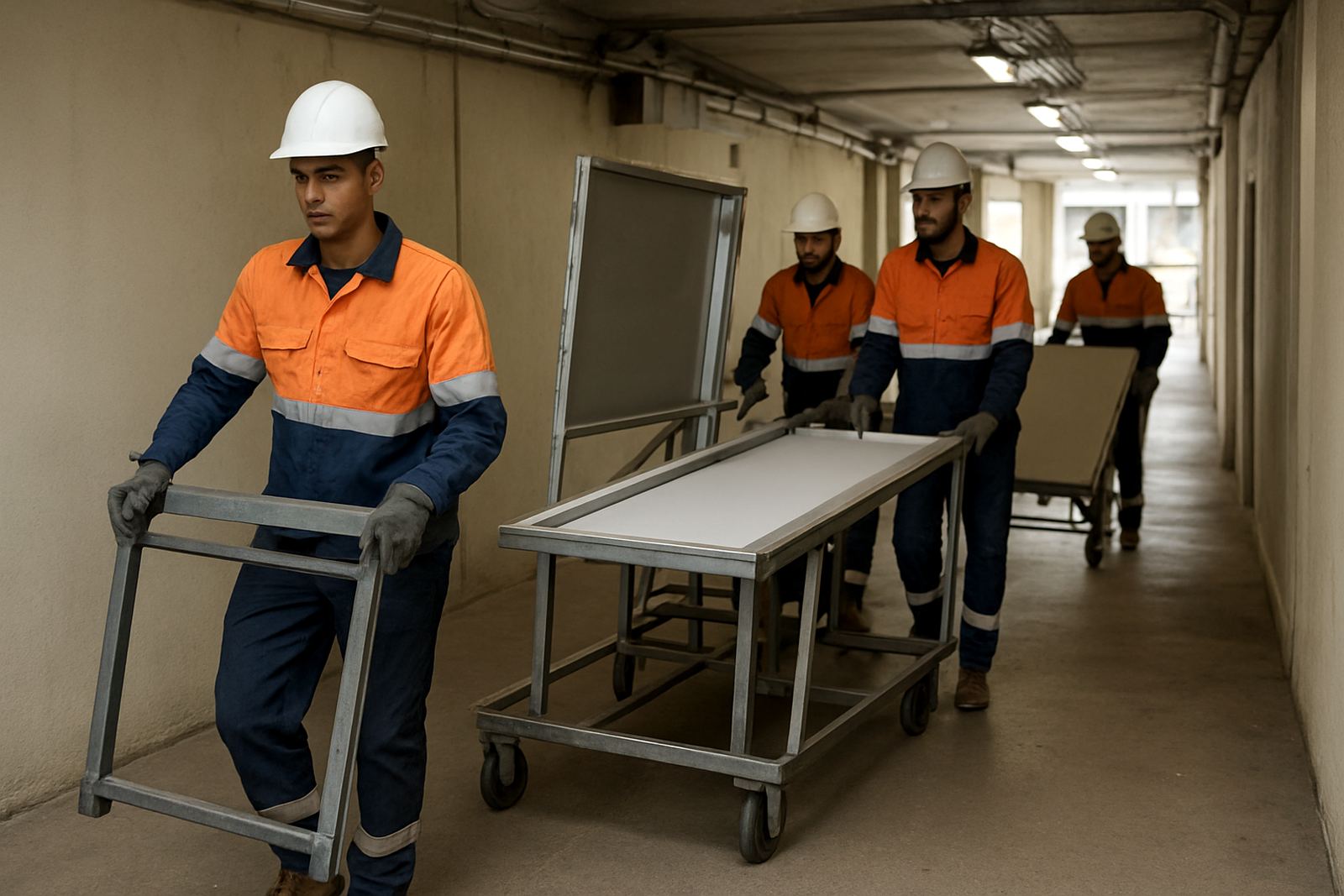
We do rigging only, which means the sign maker keeps control of the design, materials and client relationship while we provide the access and installation team. That split works well on estates because the job often needs lifting gear, scaffold or a platform, plus people who understand live sites, security procedures and first-aid requirements.
A typical estate package may involve a small crew with a truck, ladders, access equipment, drill tools, torque tools and site safety gear. If a sign is high above a gate or along a retaining wall, we may bring scaffold access or platform work depending on the height, the surface and where the vehicle can stand. For larger estate branding, lift planning becomes part of the quote so the sign shop knows what access will cost before the crew arrives.
- Sign installation and sign removal
- Lighting access for illuminated names and feature signs
- Scaffold access for higher mounting points
- Platform work where ground conditions allow
- Emergency callouts for damaged or leaning signs
Planning the layout so residents can find their way
Good estate wayfinding starts before the first panel is printed. We usually advise sign makers to confirm vehicle entry points, pedestrian routes, guardhouse positions, visitor parking, refuse collection points and any split levels or internal loops that can confuse visitors. A neat layout saves complaints later, especially in larger developments where delivery drivers and service teams come and go all day.
In practical terms, a site survey should check line of sight, sun glare, wall condition, buried services and whether the mounting surface can take the load. If the estate has brick pillars, rendered walls or precast panels, the fixing method changes. If there is a coastal wind load or a narrow entrance lane, the sign may need a different frame or a lower profile. Even a small change in height can make the sign read better from the road and reduce damage from passing vehicles.
We also suggest that the sign maker builds in maintenance access. Lighting failures, faded vinyl and water ingress are easier to deal with if the sign can be reached without disturbing security or blocking the gate for long. On estates with phased occupation, it helps to leave space for future tenant boards, additional wayfinding or new blocks.
Common mistakes we see on estate projects
Most estate sign problems come from rushed planning rather than poor workmanship. The wrong fixings, missed measurements or unclear handover details can turn a tidy install into a return visit. On a live estate, that usually means extra labour, extra access time and unhappy residents.
One common issue is underestimating the wind exposure at entrances. Another is placing signs where delivery trucks, refuse vehicles or security bakkies can strike them. We also see wayfinding boards mounted too high for drivers to read at low speed, or too close together so visitors miss the turning they needed. In Gauteng, dust and vibration near busy roads can loosen fittings over time if the hardware is not checked at maintenance visits.
- Mounting without a proper site survey
- Using fixings that are not suited to the substrate
- Ignoring future maintenance access for lights and face panels
- Placing signs inside the turning path of larger vehicles
- Leaving no allowance for estate rules, security or after-hours access
We help the sign shop avoid these issues by checking the site first, confirming access and giving clear notes before the crew starts work. That keeps the install practical and the estate manager happier too.
Budget ranges for residential estate sign rigging
Budget depends on sign size, access height, surface type and whether the work is a fresh install, a removal or a return visit for servicing. Small estate signs at gate level can be a modest job, while larger entrance features with scaffold, lift planning and lighting access sit in a higher bracket. For sign shops quoting their own client, it helps to separate manufacture from rigging so the client can see exactly what is being paid for.
As a working guide, simple ground-level installations may start from about R1 500 to R4 500 per sign. Mid-height estate signs that need ladders or light access can range from R4 500 to R12 000. Larger entrance features, billboard face changes or scaffold access jobs can move from R12 000 to R35 000 or more, depending on site conditions and the time needed on site. Emergency callouts and after-hours work are usually priced higher because the crew is leaving planned work to attend a fault or damage issue.
For removals, relocations and maintenance visits, the cost is often lower than a full install but still depends on safe access, disposal needs and whether the sign can be reused. If the estate is in a high-wind, coastal or security-sensitive area, the quote should include a proper allowance for planning and safer working time, not just the minutes on the ladder.
How we support sign makers across the Western Cape and Gauteng
Sign shops across Bellville, Somerset West, Paarl, Johannesburg CBD, Sandton, Midrand and the East Rand use us when they need a crew that understands estate work and does not compete for the signage job itself. That makes scheduling easier for developers and contractors because the supply chain stays clear. The sign maker keeps the client, and we keep the site work moving.
Our crews are led by Gareth van der Merwe, with support from Thandi Mokoena, Liam Jacobs, Sibusiso Dlamini, Ayesha Daniels and Pieter Coetzee. The team handles installation, removal, servicing, sign relocations and maintenance visits from our Paarden Eiland and Johannesburg bases. When an estate needs a clean entrance change, a damaged sign fixed after storm weather or a phased rollout across multiple blocks, we coordinate the access and get the work done with minimal fuss. In this line of work, tidy planning saves time and reduces repeat callouts.
Clients reach us through the enquiry form on our contact page, and we use that to confirm the site, the access method and the timing that suits the estate best.