Mall sign work needs timing, access and careful control
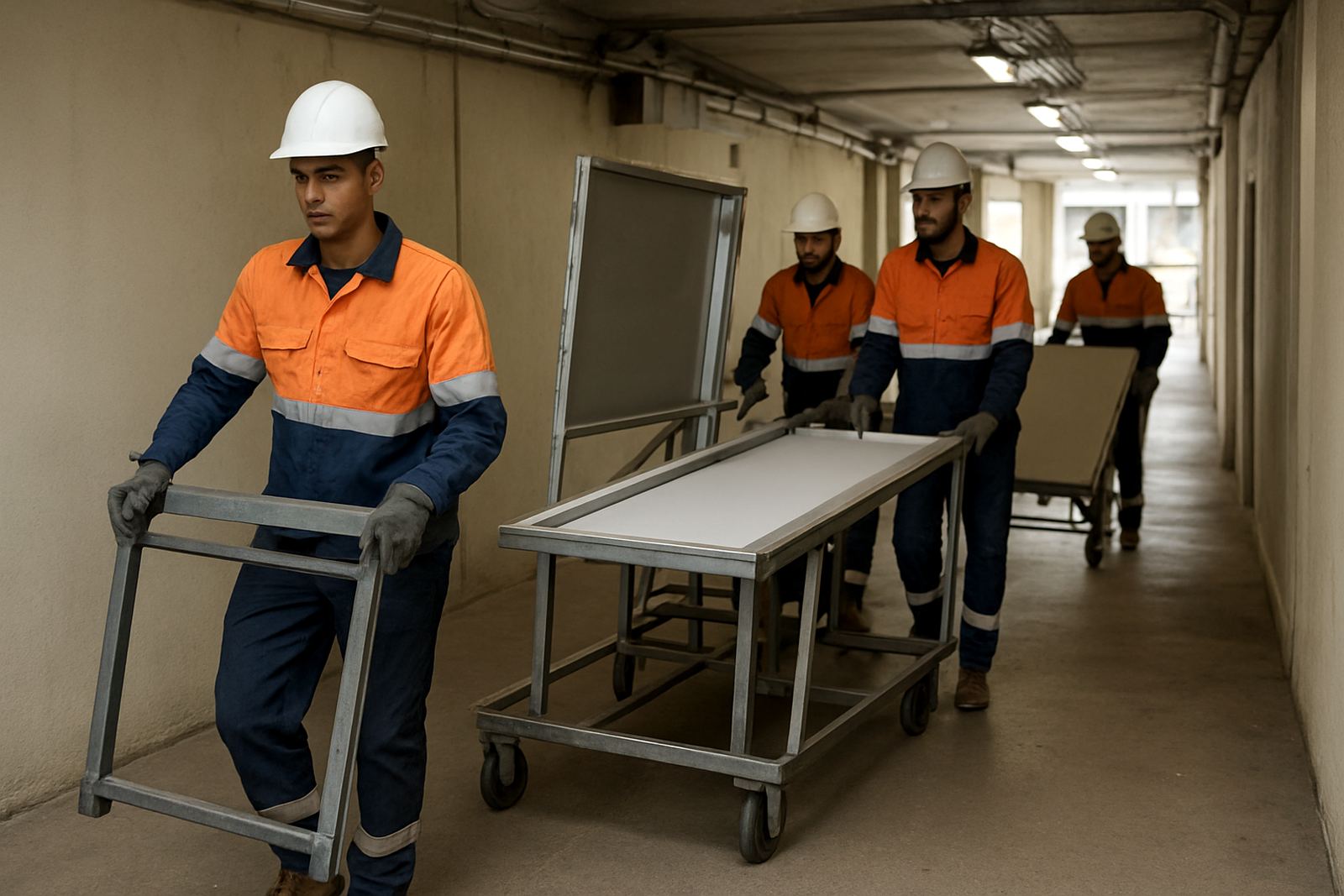
Shopping centres are different from street sites. There are tenants trading, deliveries moving through the loading dock, cleaners on duty, security checkpoints and public walkways that cannot be blocked for long. When we handle sign installation or removal in a mall, the first job is to work around the centre management plan so the sign change happens safely and on time.
Our crews are used to early starts, night shifts and weekend shutdown windows. We also plan around lift access, ceiling voids, exposed glazing and high foot traffic. In Paarden Eiland and Johannesburg we often coordinate directly with sign makers who need a reliable rigging team, not a team that tries to take over the branding work. That keeps roles clear and helps protect your client relationship.
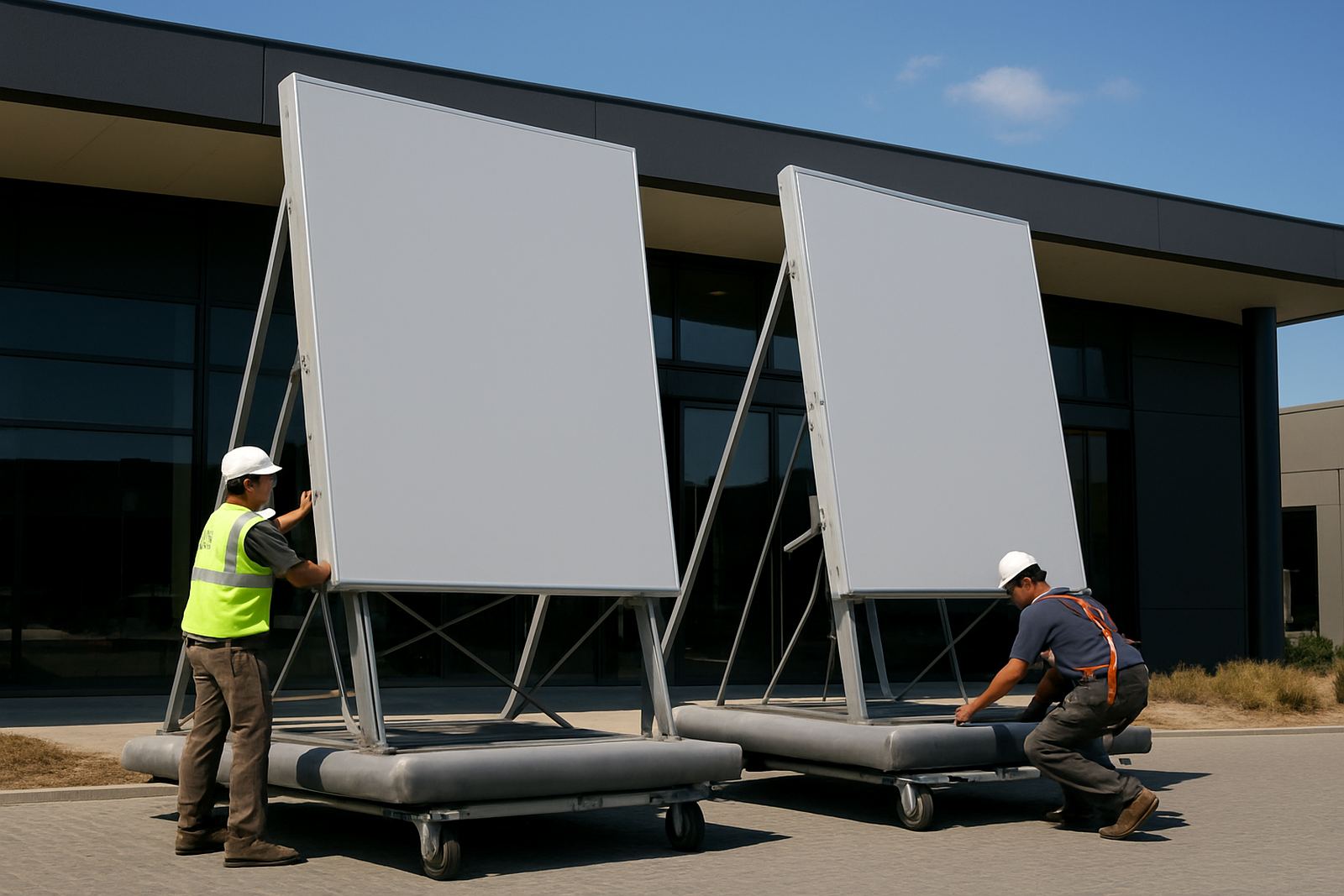
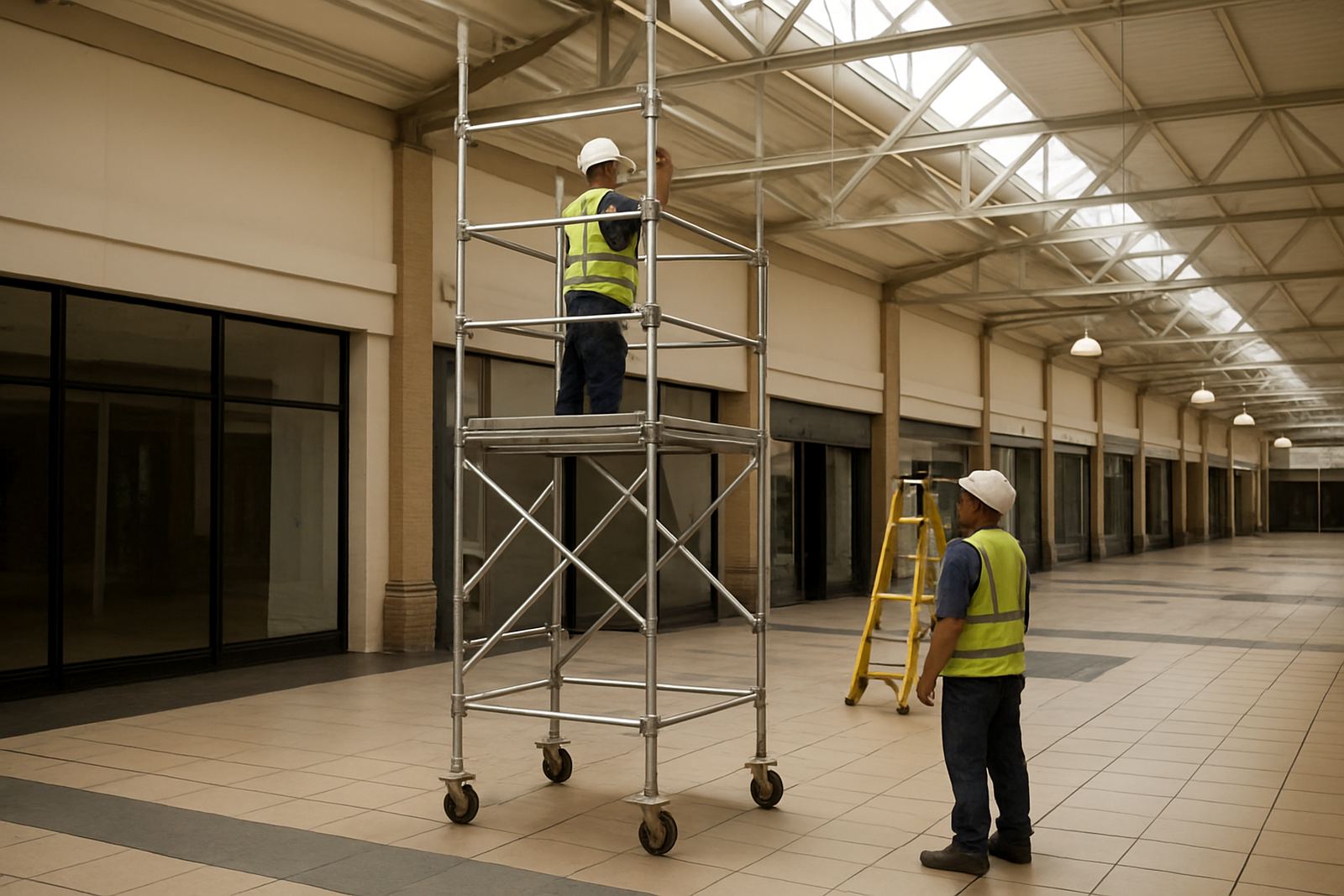
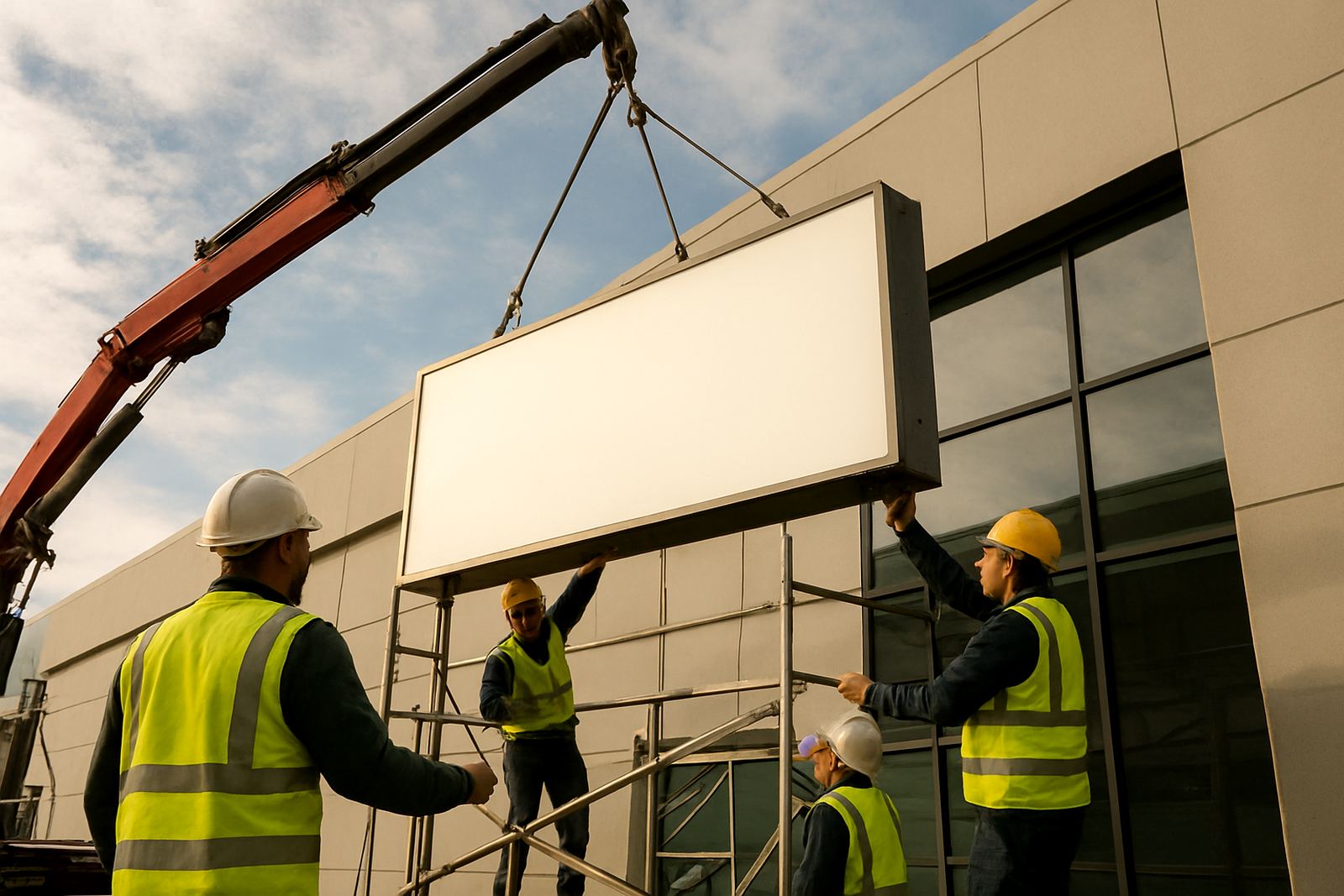
Typical shopping centre work includes suspended directional signs, directory boards, blade signs, shopfront fascia panels, lightbox swaps and seasonal display changes. In some malls the job is a simple panel replacement. In others it needs scaffold access, a platform lift or a proper lift plan for overhead work. The right method depends on ceiling height, floor loading, mall rules and where the public will be moving underneath.
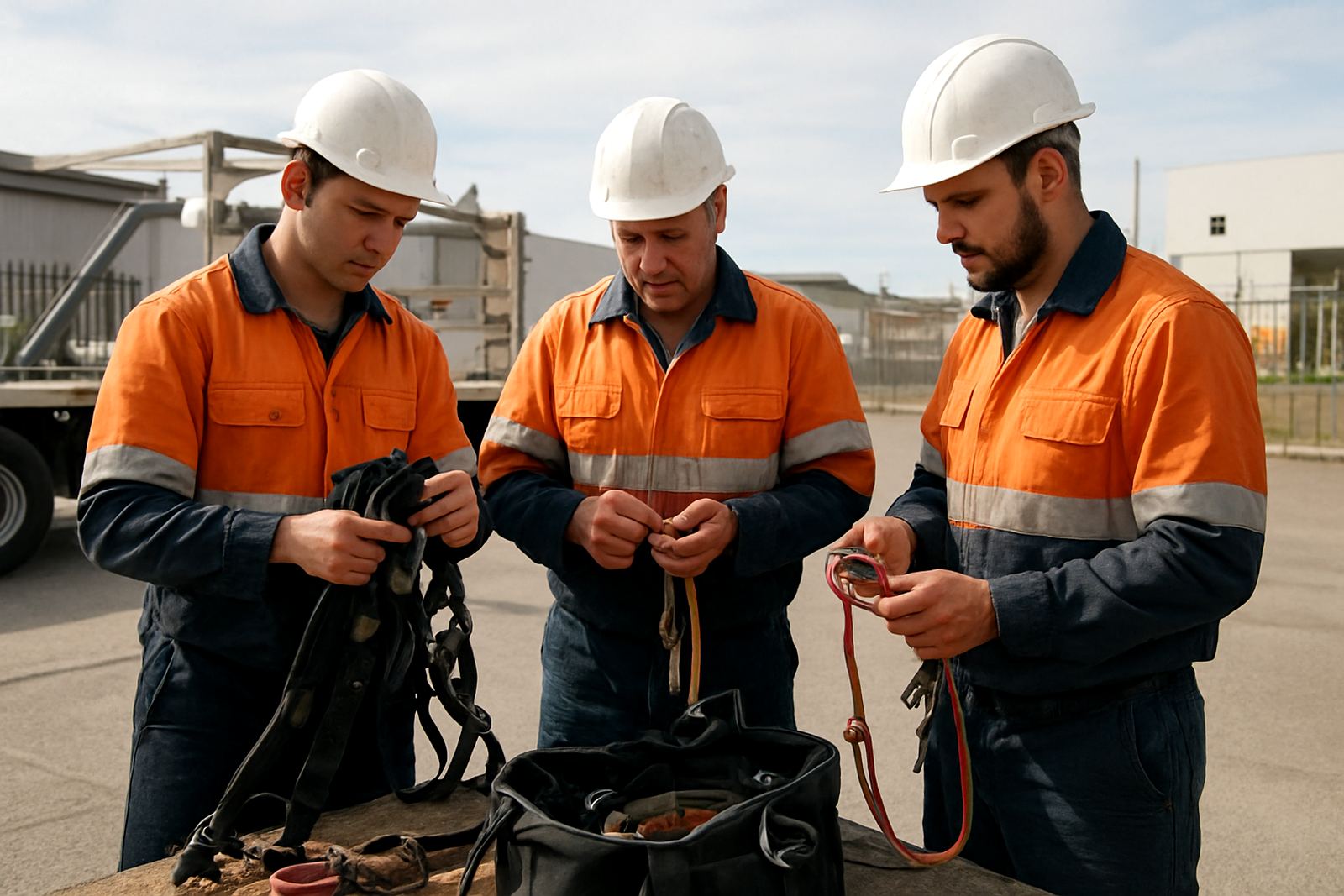
Typical equipment for mall installations and removals
Every centre has its own access limits. Some allow small platform work in the main mall before opening, while others only permit work from the loading area after trade. We match the equipment to the site so the job is done without unnecessary disruption and with proper safety control.
- Platform lifts for high-level sign fitting and removal
- Scaffold access for longer duration work or awkward ceiling points
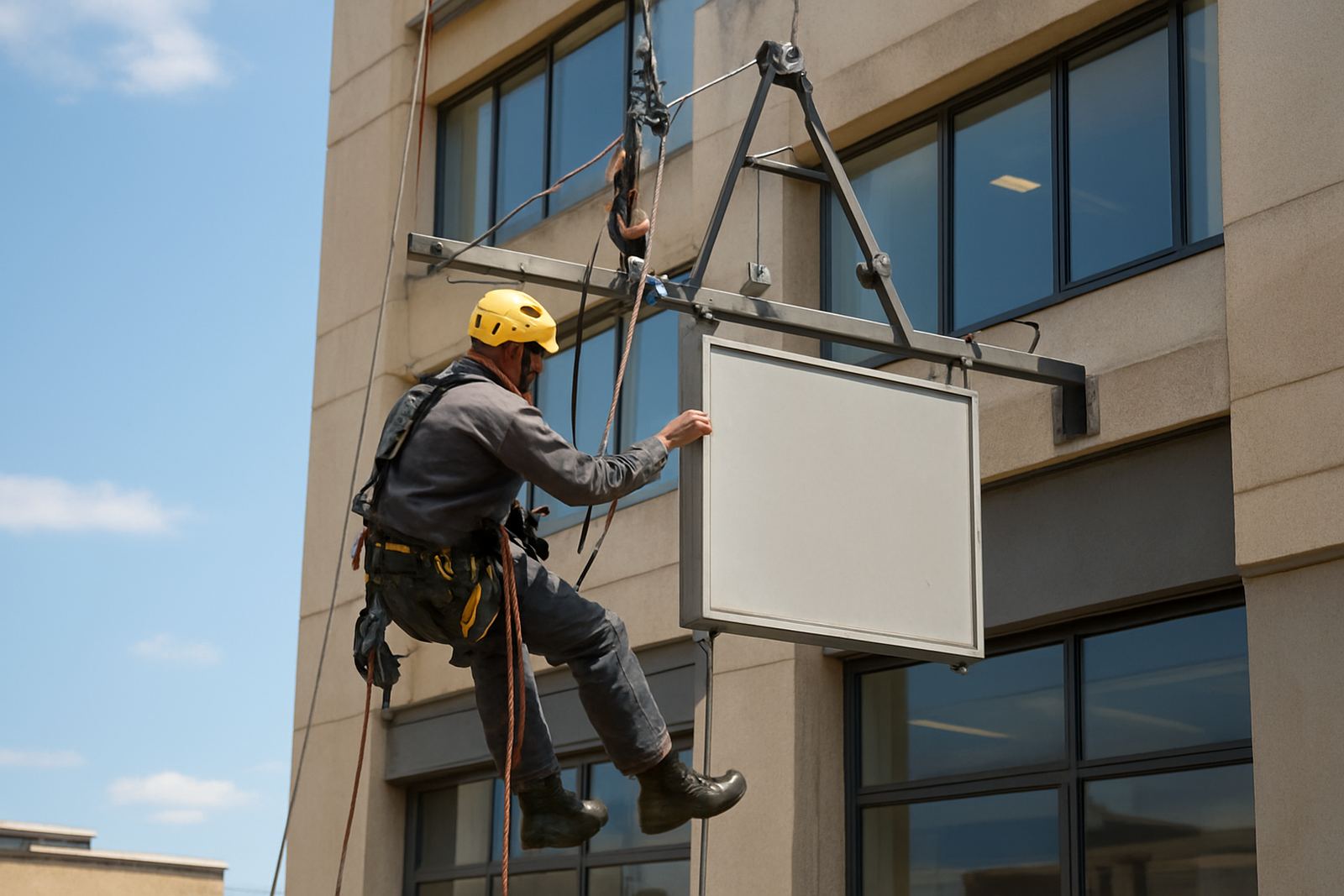
- Harness and fall protection systems where required
- Barrier tape, cones and pedestrian control gear
- First aid kit and trained responders on site
- Site survey tools for measuring fixings, clearances and sight lines
- Lighting access gear for sign maintenance in dark service corridors
For larger shopping centres in Sandton, Midrand or the Cape metro, access can be the real challenge. The sign itself may be small, but getting a crew, tools and lifting gear to the exact point of work can take time. That is why we plan the route from the loading bay to the job point before we arrive. It saves time and keeps the centre manager calm, which matters when traders are opening at 9am.
How we plan directory signs and suspended units
Directory signs and suspended directional units need more than a quick lift and fix. If they are off line by even a few millimetres, shoppers notice it and so do centre managers. We check the hanging points, sign weight, ceiling structure and the viewing angle before any fixing starts.
For a multi-tenant mall, the layout plan should include the following:
- Exact sign position in relation to walkways and escalators
- Clear heights for delivery trolleys, maintenance carts and tall shoppers
- Fixing points that can carry the load safely over time
- Access for future maintenance visits and lamp or LED changes
- Visibility from both directions where traffic flows split
On a good job the sign looks simple because the planning was done properly. On a bad one, the sign hangs too low, clashes with fire signage or ends up hidden behind a column. We often advise sign makers to include a site survey before production so there are no costly adjustments later. In busy centres that one visit can prevent a second install, which is where budget starts to climb.
Common mistakes in shopping centre sign changes
The biggest problem in mall work is assuming the site behaves like a normal exterior wall. It does not. There are access permits, mall rules, security escorts and time windows that need to be respected. A sign can be ready to fit, but if the loading bay booking is wrong the whole job stalls.
Other common mistakes we see include poor measurements, wrong bracket spacing and using fixings that are not suitable for the surface. Some centres have older concrete, some have steel framing and some have plasterboard soffits with limited load capacity. If the wrong anchor is used, the sign may sit for a while and then move or fail. That is not a risk worth taking.
Another issue is poor communication with tenants. If a store front sign or illuminated panel is being replaced, the tenant should know when power will be isolated, what time access starts and how long the crew will be in front of the shop. When this is not handled well, the result is complaints, delays and unnecessary tension with centre management. A clean plan keeps everyone informed and the work moving.
Budget ranges for mall sign rigging in Rand
Shopping centre pricing depends on access, height, timing and whether special equipment is needed. A simple sign removal or small storefront panel change may sit in the lower range, while suspended units, night work or platform lift jobs cost more. The main cost drivers are labour time, access gear and the centre rules around after-hours work.
As a practical guide, smaller mall sign jobs often start from around R2 500 to R6 000. Mid-size installations with access equipment can run from R6 500 to R15 000. Larger jobs that need scaffold, lift planning, night shifts or multiple signs in one centre may range from R15 000 to R35 000 or more. Emergency callouts and urgent removals are usually priced higher because they interrupt normal scheduling and may require a fast crew mobilisation.
For sign makers, it usually makes sense to bundle site surveys, lift planning and the actual rigging in one scope. That gives a clearer picture of the final cost and helps avoid extras that appear after the sign has already been manufactured. In centres around Bellville, Somerset West, Paarl, Johannesburg CBD and East Rand, the best results come from detailed planning before the install date.
What sign makers should brief us on before the visit
A good brief keeps the mall job efficient. We do not need a long story, but we do need the facts that affect access, safety and timing. If the centre has special loading rules, a quiet hour window or a strict contractor sign-in process, tell us early so we can prepare.
- Centre name and exact location inside the mall
- Type of sign, dimensions and estimated weight
- Whether it is a new install, removal or servicing visit
- Required working hours and any blackout periods
- Access restrictions, permits and security requirements
- Whether power isolation or lighting access is needed
We work as rigging only, which means we support sign companies without competing for their client. That matters in shopping centres where trust and repeat work are important. Our role is to get the sign in, out or serviced safely, with proper planning and tidy handover. If the job is in a centre with tight access or active trading floors, that practical approach makes a real difference.